What are radio waves?
Radio waves are a type of electromagnetic radiation discovered in 1887 by German physicist Heinrich Hertz. They are important for radio communication and positioning. On Earth, they almost reach this speed but are slowed down by the atmosphere.
The radio frequency spectrum comprises one of the seven regions of the electromagnetic spectrum. The other six are microwaves, infrared, visible light, ultraviolet (UV) radiation, X-rays, and gamma rays. .
Radio waves have the longest wavelengths of all regions of the electromagnetic spectrum, from 1 millimeter to 100 kilometers. At the same time, they have the lowest frequencies, from 300 GHz to 3 kHz.
Radio frequency (RF) refers to the rate of oscillation of radio waves. Hertz is the unit of measurement for one frequency period per second. Therefore, 300 GHz corresponds to 300 billion oscillations per second. UV radiation, X-rays, and gamma rays, on the other hand, have the shortest wavelengths.
Mobile phones
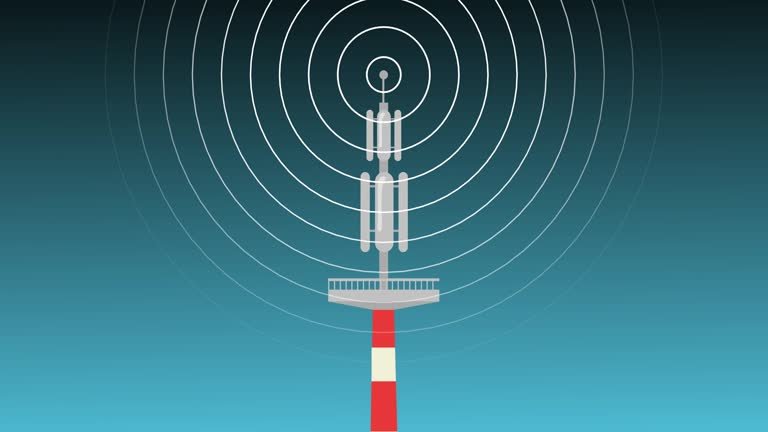
It may be hard to believe, but mobile phones, including modern smartphones, are bidirectional transmitters (transmitters/receivers). That communicate with mobile networks by sending and receiving signals from cell towers.
Radiolocation
What are radio waves? They enable a variety of tasks, including determining position relative to a reference point or locating objects on land, at sea, or in the air. Radio waves are divided into the subcategories of radio navigation and radiolocation.
Radiolocation
Radar (Radar Detection and Ranging) is the best-known example of radiolocation. It uses radio waves to determine the distance, speed, and angle of objects. Radar is used worldwide by militaries to locate enemy aircraft, missiles, and other moving objects.
In addition to military applications, meteorologists use radar for weather observation, forecasting, and in civil aviation.
Radio Navigation
Radio navigation allows aircraft to determine their position using a radio that sends signals to ground stations – regardless of weather conditions and visibility.
Uses of Radio Systems
Radio waves are widely used for communication and wireless information transmission. This takes many forms, including mobile phones, fixed and mobile base stations, and satellite communications for television.
Commercial radio communication devices can be divided into different categories, from mobile phones and amateur radios to GMRS (General Mobile Radio Service). Here are some practical applications of radio waves in everyday life. AM and FM Radio.
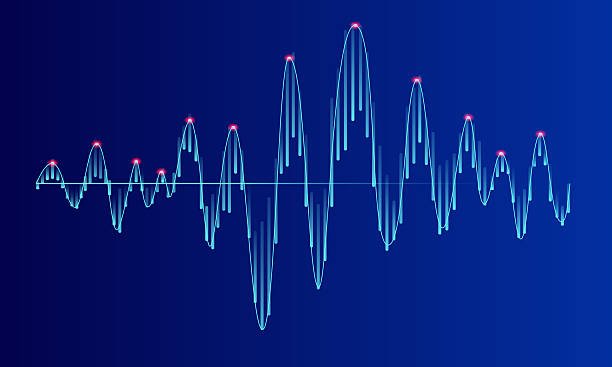
AM (amplitude modulation) and FM (frequency modulation) are two methods of transmitting information in radio systems. AM and FM radios change the amplitude or frequency of the carrier wave.
Amplitude
Amplitude refers to the height of the radio waves, while frequency refers to the speed or distance of the radio waves. When the radio waves reach the receiver. It detects the changes in amplitude or frequency and decodes the information they contain.
You can take advantage of AM or FM radio waves in your home by investing in a weather warning system like the WR120 NOAA Weather and Emergency Warning Radio. It features automatic alarm suppression and allows you to independently switch between AM and FM to warn of hazards. You can also customize your alerts by adjusting the volume of the alarm siren. Color-coded warning indicators provide a visual reminder to be aware of severe weather.
RV/Road Trip Communications
When traveling through remote areas on a road trip or camping vacation, a method of communication without cell phone reception is highly recommended. Cell phone coverage in rural areas of the United States is often patchy and unreliable.
The Midland Micro Mobile MXT400 is a 40-watt GMRS (General Mobile Radio Service) two-way radio and a perfect addition to any RV.

With eight repeater channels, 142 private codes and 15 powerful GMRS channels, the MXT400 enables communication with portable GMRS two-way radios in the 462 MHz to 467 MHz frequency range. With a clear line of sight, the MXT400 has a maximum range of 105 kilometers – perfect for transmitting and receiving in rural areas and on public roads.
In areas with limited line of sight, the range decreases to 24 to 32 kilometers, according to practical tests. In environments with many obstacles, such as cities with tall buildings, the range is limited to 8 to 16 kilometers.
How We Can Help You
Founded in 1959, Midland Radio has been a leader in radio technology for over 50 years. Headquartered in Kansas City, Missouri, Midland developed the 14-channel Family Radio Service System (FRS). Today, we offer a wide range of two-way radios for a variety of applications – from recreational and industrial communications to emergency response.
“CLICK…” more