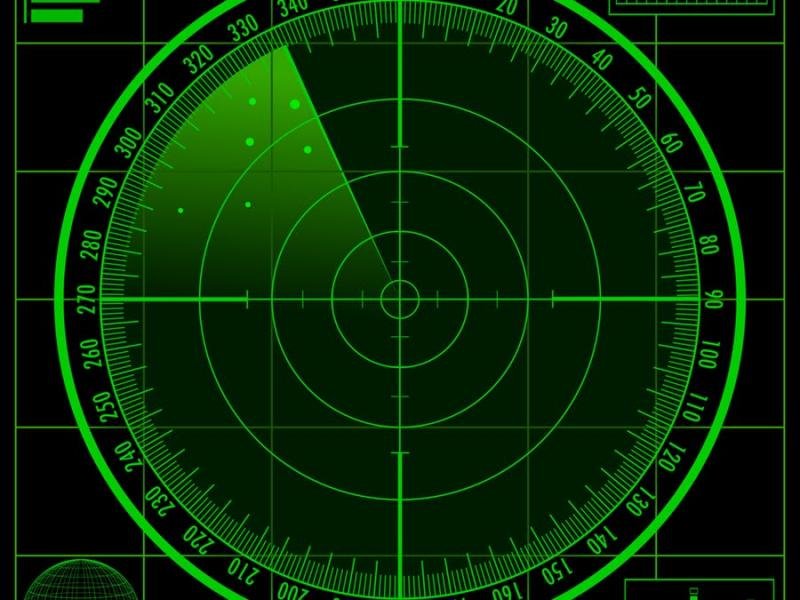
It is a technology that uses radio waves to detect objects and measure their distance, angle or speed. It was developed for military purposes in the early 1900s and has since been used for various civilian applications, such as measuring pedestrian and traffic flows.
WSR-88D
The WSR-88D is a pulsed Doppler radar. This means that the transmitter emits very short radio wave pulses instead of a continuous stream. By measuring the travel time of the pulse – from transmission to arrival at a target and return to the radar antenna – the system can determine the target’s distance (or range) from the radar.
In addition to distance information, the WSR-88D, like a Doppler radar, can also determine the speed of a target. When a pulse is transmitted, the radar detects its phase and amplitude (shape, position and direction). When a radar pulse encounters a moving target, the phase of the reflected wave is shifted or changed. This phase shift is used to determine the speed of the target.
The phase shift is comparable to the Doppler effect in sound waves. Sound waves traveling towards you have a higher pitch due to compression (phase change). If an object is moving away from you, the sound waves are stretched out, resulting in a lower frequency.
You may be familiar with this effect from emergency vehicles or trains. As the vehicle passes you, the pitch of the siren or horn drops.
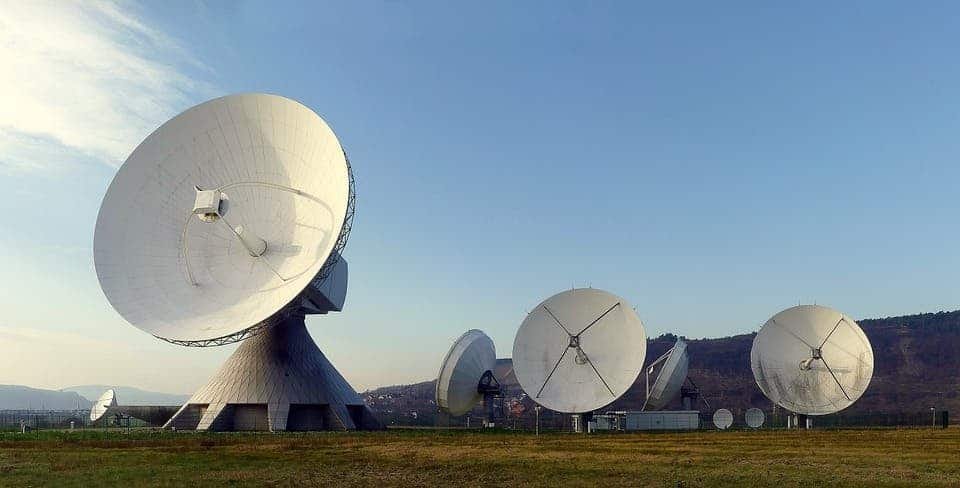
Radar pulses of a second (0.00000157)
Radar pulses are emitted by the radar at the speed of light but are extremely short. Typically, the radar operates in short pulse mode. Each emitted pulse lasts only 1.57 millionths of a second (0.00000157) and is repeated approximately 1300 times per second. Between each pulse, the radar receives the echo.
Since the transmitter is active for an extremely short time, the radar spends most of its time receiving the echo. The radar actually transmits pulses for just over 7 seconds per hour. The remaining time, 59 minutes and 53 seconds, is spent receiving the echo.
To capture the atmosphere as quickly and comprehensively as possible, the WSR-88D uses a scanning strategy in which the antenna achieves up to 15 preset elevation angles. These varying angles allow meteorologists to study storms at different heights above the ground, rather than just one. T
his scanning method allows them to observe both rapidly developing and receding storms. A complete set of elevation scans is called a volume scan, and the number of elevation scans is determined by the volume coverage pattern (VCP).
How does radar work?
When this pulse encounters an object, some of the energy is reflected back to the radar. By measuring the travel time and intensity of the pulse, the radar can determine the distance, direction of motion, and even the type of object.
Dual Polarization
In 2012, the WSR-88D network was upgraded to dual polarization. The electric field from a transmitted pulse oscillates, meaning it moves back and forth. Dual-pole technology provides a significantly more informative two-dimensional image because it can detect both horizontal and vertical oscillations in the pulse.
Dual-pole radar helps National Weather Service (NWS) forecasters accurately identify rain, hail, snow, the rain/snow boundary, and freezing rain, improving weather forecasts for all weather conditions.
Another important benefit is the more accurate detection of tornado debris clouds (debris balls). This allows forecasters to confirm when a tornado is making landfall and causing damage, allowing for more reliable warnings to affected communities along its path. This is especially useful at night when observers on the ground cannot see the tornado. Detecting Radar as a traffic sensor:
Radar as a traffic sensor:
Radar data is extremely useful for tracking objects in the air or on the ground. Most Radar can be used to measure vehicle and pedestrian traffic on highways or city streets. By placing radar detectors at strategic points along a route, vehicle speeds and the number of vehicles passing can be recorded over time. This provides data on rush hour traffic or areas where improved infrastructure is needed, such as better signage or more effective lane markings. This data can then be used to implement changes that increase safety and reduce congestion on roads around the world.
Disadvantages of Radar
One of the biggest disadvantages of radar technology is the often difficult interpretation of the data. Although radar provides a large amount of data, its significance in relation to objects or people can be challenging to interpret. In addition, radar systems are very expensive and require specially trained personnel. Another problem is the risk of the radar signal being blocked by objects. Trees, buildings and other obstacles can block or weaken the signal, making it difficult to track moving objects. Therefore, radar systems are often combined with other technologies such as cameras or lidar to enable more accurate measurements.
Conclusion
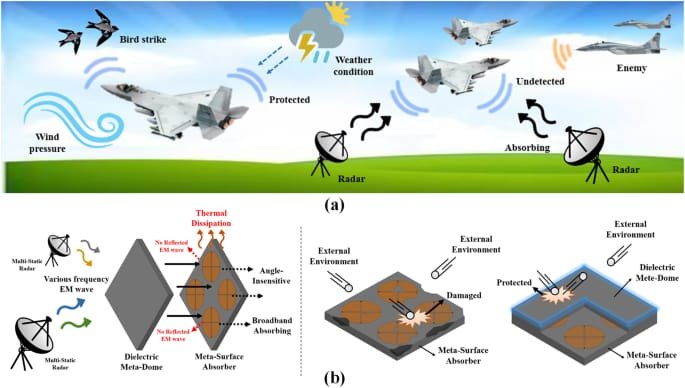
Overall, radar technology has become an important tool for a variety of applications. From military operations to civilian life, it offers high accuracy in measuring the flow of people and vehicles. Although some disadvantages exist, such as difficulties in interpretation, obstruction by objects and high operating costs, these problems can be mitigated by using other technologies, such as cameras or lidar, in combination with radar systems. Despite all the challenges, radar ultimately continues to play a crucial role in keeping our cities functioning safely and efficiently, both on land and at sea.
“CLICK” For More
“spintax_text”: “Not long ago I’ve been checking out different color palettes and determined that recognizing your season can absolutely help when picking clothes or makeup. For example, if you have a intense summer color season or are identifying with the soft winter palette, knowing this can direct you to colors that enhance fair olive skin or red undertone skin wonderfully. There are some fantastic tools like the Color Analysis Pro app and accessible color analysis quizzes online that help with this, including a handy skin tone chart to find your match in the 16 season color analysis test.
If you’ve taken advantage of the Color Analysis Pro service but need to cancel, it’s essential to know exactly how to unsubscribe to avoid unplanned expenses (you can find thorough directions here cancel color analysis pro ). Also, for those questioning “what season am I?” or “what is my color palette?” paying attention to palettes such as deep summer, soft winter, or even the dark summer color palette can effectively identify your best colors. This can be remarkably effective for discovering the best colors for pale olive skin or yellow undertone skin, making styling decisions considerably smoother.”
Thankyou dear