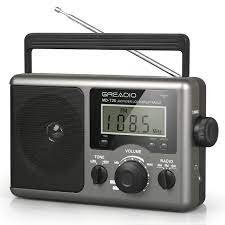
For over a century, music and radio have shared a bond that has not only shaped the entertainment industry but also influenced societies, cultures, and generations. Long before streaming platforms and digital downloads, it was radio that brought music into homes, cars, workplaces, and public spaces. This powerful combination has endured technological changes and continues to evolve, proving that the bond between music and radio is truly timeless.
The Origins: Music Finds Its Voice
When radio was first introduced in the early 20th century, it was primarily used for news and communication. However, it wasn’t long before broadcasters realized the power of music to attract and retain listeners.
In the 1920s and 30s, live performances were a staple of radio programming. Orchestras, jazz bands, and solo vocalists would perform in radio studios, reaching audiences that would never have had access to such talent otherwise. Music wasn’t just filler—it became the heart of radio.
Stations like the BBC in the UK and NBC in the US began crafting programs around musical performances, helping launch the careers of countless artists. Radio didn’t just play music—it made music matter.
The Golden Era of Music Radio
The 1950s to 1980s are often considered the golden age of music radio. During this period, radio played a key role in shaping popular culture and introducing the world to new musical genres.
- Rock ‘n’ roll exploded in the 1950s, and radio was its rocket fuel. Artists like Elvis Presley, Chuck Berry, and Little Richard became household names thanks to constant radio airplay.
- The 1960s and 70s saw the rise of psychedelic rock, soul, funk, and disco, with radio stations diversifying their formats to cater to emerging tastes.
- By the 1980s, FM radio had taken over, offering better sound quality and helping genres like pop, R&B, and hip-hop reach massive audiences.
Radio DJs became cultural icons, curating playlists, hosting countdowns, and promoting new talent. A song’s success was often determined by how often it played on the radio. If your song made it to the airwaves, you had “made it.”
Creating Stars: Radio’s Role in Music Discovery
Before YouTube, Spotify, or TikTok, people discovered new music through the radio. From local community stations to national broadcasters, radio has always been a launchpad for artists.
- Local stations introduced hometown talent, often giving unsigned artists their first real exposure.
- College radio played a major role in breaking alternative and indie acts in the 80s and 90s.
- Top 40 radio created pop legends, turning one-hit wonders into chart-topping sensations overnight.
Record labels heavily depended on radio airplay to promote singles and albums. The phrase “breaking on radio” meant that a song had gone mainstream and had a shot at topping the charts.
The Emotional Connection
Music is emotional. It evokes memories, inspires movement, and helps us feel connected. When paired with radio—the human voice behind the mic, the shared experience of listening at the same time—it creates a unique emotional bond.
People still remember:
- The first song they heard on the radio during a road trip.
- The heartbreak anthem that played after a breakup.
- The song that played when they graduated, fell in love, or left home.
Unlike a personal playlist, radio feels alive and communal. The unpredictability of what song comes next keeps listeners engaged, and the shared experience binds communities, especially in times of celebration or crisis.
Community and Culture
Radio has always been more than just a music player—it’s a community builder. Local radio stations play local artists, celebrate local events, and reflect the voice of their listeners. They help define the musical identity of regions, whether it’s blues in the Mississippi Delta, country in Nashville, or bhangra in Punjab.
Moreover, radio has helped preserve and promote cultural heritage by playing traditional music, folk songs, and regional genres that might otherwise be forgotten in the digital age.
Adapting to the Digital Age
With the rise of MP3s, iPods, and streaming platforms like Spotify and Apple Music, many predicted the decline of radio. But instead of dying out, radio adapted.
1. Online Radio and Streaming
Traditional stations now offer live streaming, making them accessible across the globe. Services like iHeartRadio, TuneIn, and Radio Garden bring local stations to international listeners.
2. Satellite Radio
Services like SiriusXM offer genre-specific stations with no commercials, celebrity DJs, and exclusive interviews. They blend the best of traditional radio with the benefits of subscription-based streaming.
3. Podcasts and Music Shows
Many radio personalities and stations now host podcasts and music commentary shows, offering deeper insights into the music and artists behind it.
Radio has moved with the times, embracing new platforms while keeping its essence intact: bringing music to people, anytime and anywhere.
The Power of Radio During Tough Times
One of the most powerful reminders of radio’s value came during global crises, such as natural disasters or the COVID-19 pandemic. When people felt isolated, uncertain, and overwhelmed, radio offered familiarity, connection, and comfort through music.
Radio hosts became companions, their voices soothing fears. Music brought people together across distance. The simplicity of turning on a radio and feeling connected to the world proved invaluable.
Why Radio Still Matters for Music
Even in a world flooded with algorithms and on-demand playlists, radio offers something unique:
- Curated Experience: DJs curate music with human touch, emotion, and relevance, unlike algorithmic playlists.
- Music Discovery: Listeners often stumble upon new artists and songs they wouldn’t have searched for.
- Accessibility: Radios are cheap, simple, and don’t require internet access—making them universal.
- Real-Time Connection: Whether it’s a live concert, a song request, or a tribute show—radio offers a shared, real-time experience.
For musicians, radio airplay remains a badge of honor. A song spinning on the radio signifies recognition, reach, and impact.
The Bond Lives On
In the ever-evolving landscape of media and technology, few things have maintained their relevance like radio—and one of the biggest reasons is its unbreakable bond with music. From vinyl records in studios to digital files over streaming signals, music has always had a home in radio.
This partnership isn’t just about entertainment. It’s about stories, memories, identity, and connection. It’s about turning the dial and hearing something that makes your heart race, your foot tap, or your mind wander.