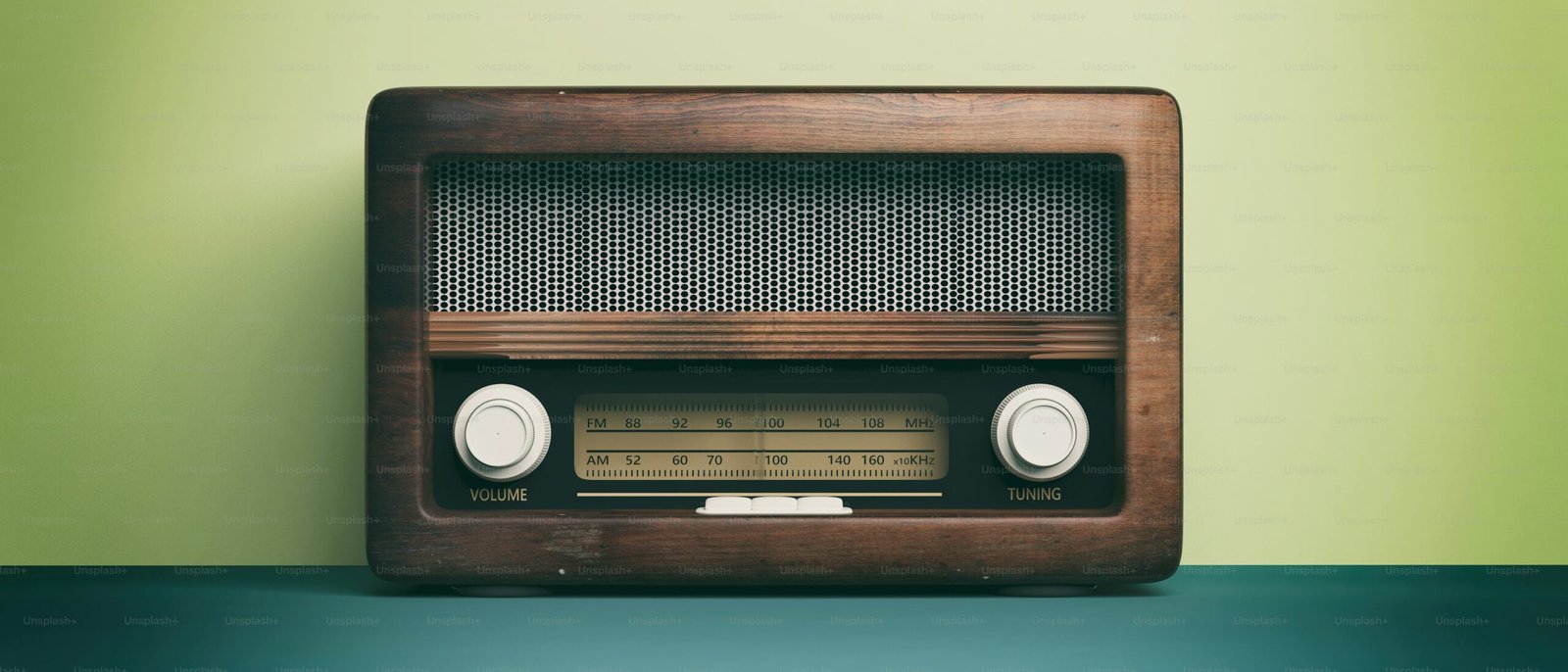
How Radio Changed the Way We Communicate
Radio has been one of the most revolutionary inventions in the history of communication. Since its inception in the early 20th century, radio has transformed the way people share information, connect with one another, and experience the world around them.
Breaking Barriers of Distance and Time
Before radio, communication over long distances was slow and often limited to written letters or telegrams. Radio changed this by enabling instant, wireless transmission of sound across vast distances. Suddenly, people could hear news, music, and voices from miles away — in real time.
This immediacy made radio a powerful tool during critical moments such as wars, natural disasters, and political events, helping communities stay informed and connected.
Democratizing Information and Entertainment
Radio brought information and entertainment directly into homes, cars, and workplaces, making it accessible to a wide audience regardless of literacy or socioeconomic status. Unlike newspapers, which required reading skills, radio was auditory and inclusive — anyone could listen.
It also gave rise to diverse programming, from news and educational shows to music and storytelling, fostering a shared cultural experience and community identity.
Creating a Shared National and Global Culture
By broadcasting the same programs simultaneously to millions, radio helped unify populations. It introduced people to new ideas, music genres, and voices from different regions and cultures. This shared experience created a sense of belonging and cultural exchange previously impossible.
Changing the Pace and Style of Communication
Radio also influenced how messages were delivered. The need to engage listeners through sound alone led to the development of new communication styles — conversational tones, catchy jingles, and dramatic storytelling — that are still used in media today.
Empowering Voices and Building Communities
Local radio stations became platforms for community dialogue, giving people a voice to share their stories, opinions, and concerns. This grassroots communication helped empower marginalized groups and strengthened social bonds.
Conclusion
Radio revolutionized communication by making it instant, accessible, inclusive, and communal. It transformed the way we receive news, enjoy entertainment, and connect with each other. Even in the digital age, radio’s impact on communication continues to resonate, reminding us of the power of sound to bring people together.
“CLICK” for more