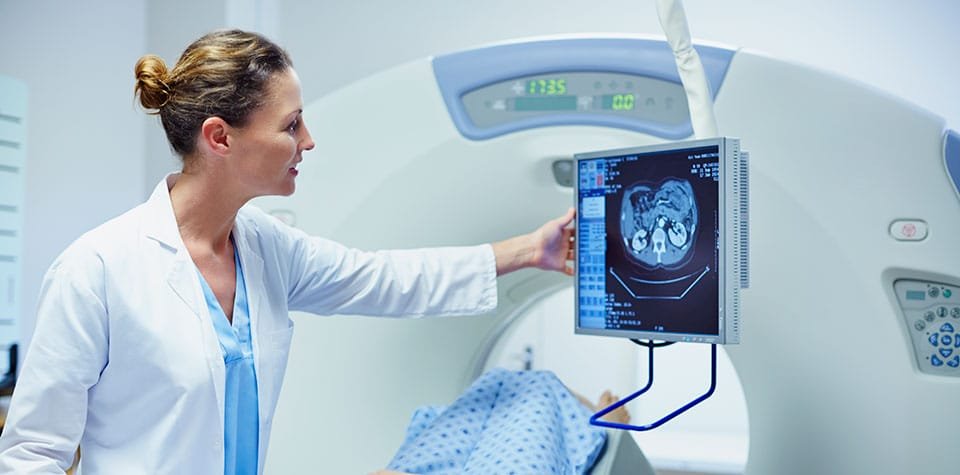
The Fastest Path to Becoming a Radiographer by 2025.
Radiographers are an increasingly popular career choice for people looking to quickly enter the healthcare industry. This article answers the common question: How do you become a certified radiographer as quickly as possible? We discuss training programs, costs, licensing requirements, and career opportunities, and offer a clear step-by-step plan to achieve this goal.
Key Facts About Radiographers:
- Radiographers are medical professionals who use imaging equipment such as X-rays, CT scans, and MRIs to help doctors diagnose and treat patients.
- The median annual salary for radiographers is approximately $75,250 as of May 2023.
- Radiographers enjoy job security, the opportunity to work in a rapidly growing field, and opportunities for advancement to specialized or higher-paying positions.
What is the fastest way to become a radiographer by 2025?
The fastest path to becoming a radiologic technologist is through a one- to two-year online or in-person program. The program must be accredited by the Joint Review Committee on Education in Radiologic Technology (JRCERT). These programs typically include extensive instruction in anatomy, x-ray positioning, and radiation physics, combined with hands-on clinical training in a healthcare setting. The clinical component provides students with hands-on experience with imaging equipment and patient care protocols.
Upon completion of the program: Candidates must pass the certification exam offered by the American Registry of Radiologic Technologists (ARRT). This exam covers a variety of topics, including patient care, imaging procedures, and radiation protection. Certification is an important professional requirement in most states and serves as a benchmark for competency in the field.
What does a radiologic technologist do on a daily basis? Radiologic technologists play a critical role in the diagnostic process by producing high-quality medical images that help doctors diagnose and treat patients. Their responsibilities include both technical expertise and patient interaction.
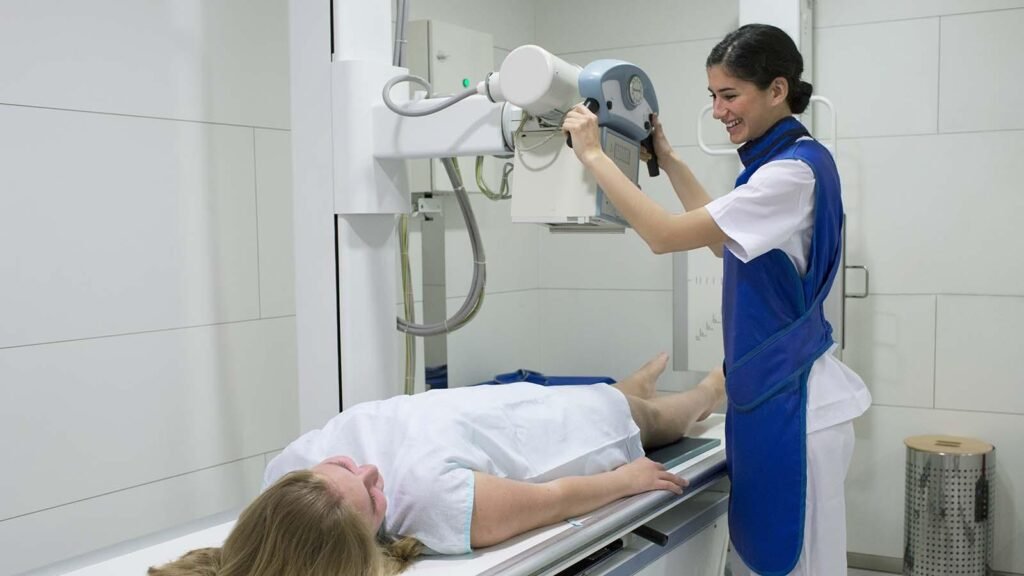
Daily tasks include:
- Positioning patients for imaging procedures: Accurate positioning is essential for producing diagnostic-quality images.
- Using and maintaining imaging equipment: Radiology technologists operate a variety of equipment, including X-ray machines, CT scanners, and MRI scanners, and perform regular maintenance checks to ensure the equipment is functioning properly.
- Collaborating with medical teams: They work closely with radiologists and other healthcare providers to review and evaluate imaging results.
- Maintaining detailed patient records: Accurate documentation is essential for monitoring patient progress and communicating information to the treatment team.
- Maintaining radiation safety measures: Following strict protocols minimizes radiation exposure to patients and staff.
How much does it cost to become a radiology technologist?
The cost of becoming a radiology technologist can vary significantly depending on the type of program and facility, so it is important for aspiring professionals to carefully consider their options.
Certificate Programs
Certificate programs, which are shorter and typically focus on core competencies, are among the most affordable options for vocational schools. They are often offered by technical colleges and community colleges and cost between $5,000 and $25,000. These programs allow for a faster entry into the workforce, making them an attractive option for those looking to get started quickly.
Associate Degrees
Simple associate degrees, often offered by community colleges and universities, are more comprehensive and cost between $6,000 and $40,000. These programs typically last two years and include both general education and radiology-specific coursework, preparing students for broader career opportunities.
Bachelor’s Degrees
For those seeking further education and leadership in the field, bachelor’s degrees typically cost between $30,000 and $50,000. You can also consider the most affordable online bachelor’s degrees. These four-year programs delve into advanced imaging techniques, management, and specialty areas within radiology.
Other Costs:
In addition to tuition, students should consider additional costs such as textbooks and supplies, which average between $500 and $1,500 per year. For hands-on experience in healthcare, clinical training fees often range from $1,000 to $2,000.
Additionally, ARRT certification is a key requirement for most radiology technician positions. The associated graduation and certification fees range from $200 to $400. Prospective students should research the most affordable radiology technician degree programs, as well as financing options, scholarships, and payment plans to effectively manage these costs.

Can I get financial aid for an online radiology technician degree?
Financial aid makes it easier for students to access the best associate degrees and helps reduce the financial burden of tuition and related fees. Federal financial aid, such as Pell Grants and subsidized loans, is often the first step for students seeking assistance. By completing the FAFSA (Free Application for Federal Student Aid), eligible students can access a variety of funding options to help cover their tuition costs. Scholarships specifically for healthcare students, such as the Pell Grant, are available.
American Society of Radiologic Technologists
Institutions, such as those of the ASRT or the American Society of Radiologic Technologists, offer additional support, often based on academic achievement, financial need, or commitment to the field. In addition to traditional state and organizational support, other funding options are available. Employer-based tuition reimbursement programs are becoming increasingly common, especially in the healthcare sector, where employers can subsidize certification programs to support their workforce.
State-specific grants
State-specific grants provide regionally targeted support for students pursuing accredited healthcare programs. Many institutions also offer institutional support, including internal scholarships or flexible payment plans tailored to the student’s financial situation. These various funding options provide aspiring radiologic technologists with a variety of options to achieve their educational and career goals without significant financial barriers. Regardless of major or degree, financial aid and scholarships are available. You can get help with even the most basic biotechnology education.
Do radiologic technologists need a federal license?
Obtaining a federal license is a crucial step for radiology technicians in many states, as it meets the necessary safety and competency standards to work in a highly regulated field. Licensing requirements vary by state but are designed to protect patients and healthcare professionals by ensuring that radiology technicians have the appropriate skills and knowledge to perform their duties effectively and safely.
The licensing process typically begins with certification by the ARRT. Passing the ARRT exam is a common requirement, as it tests candidates in key areas such as patient care, imaging techniques, and radiation protection. Some states may require additional exams or qualifications tailored to their specific regulations.
In addition to the initial license, most states require continuing education to ensure radiology technicians stay current on technological advances, safety protocols, and best practices. This often involves completing 12 to 24 college credits every two years, including seminars, workshops, and online courses.
Meeting these requirements not only ensures licensure but also demonstrates your commitment to professional development in a dynamic and changing healthcare environment.
For More “CLICK”