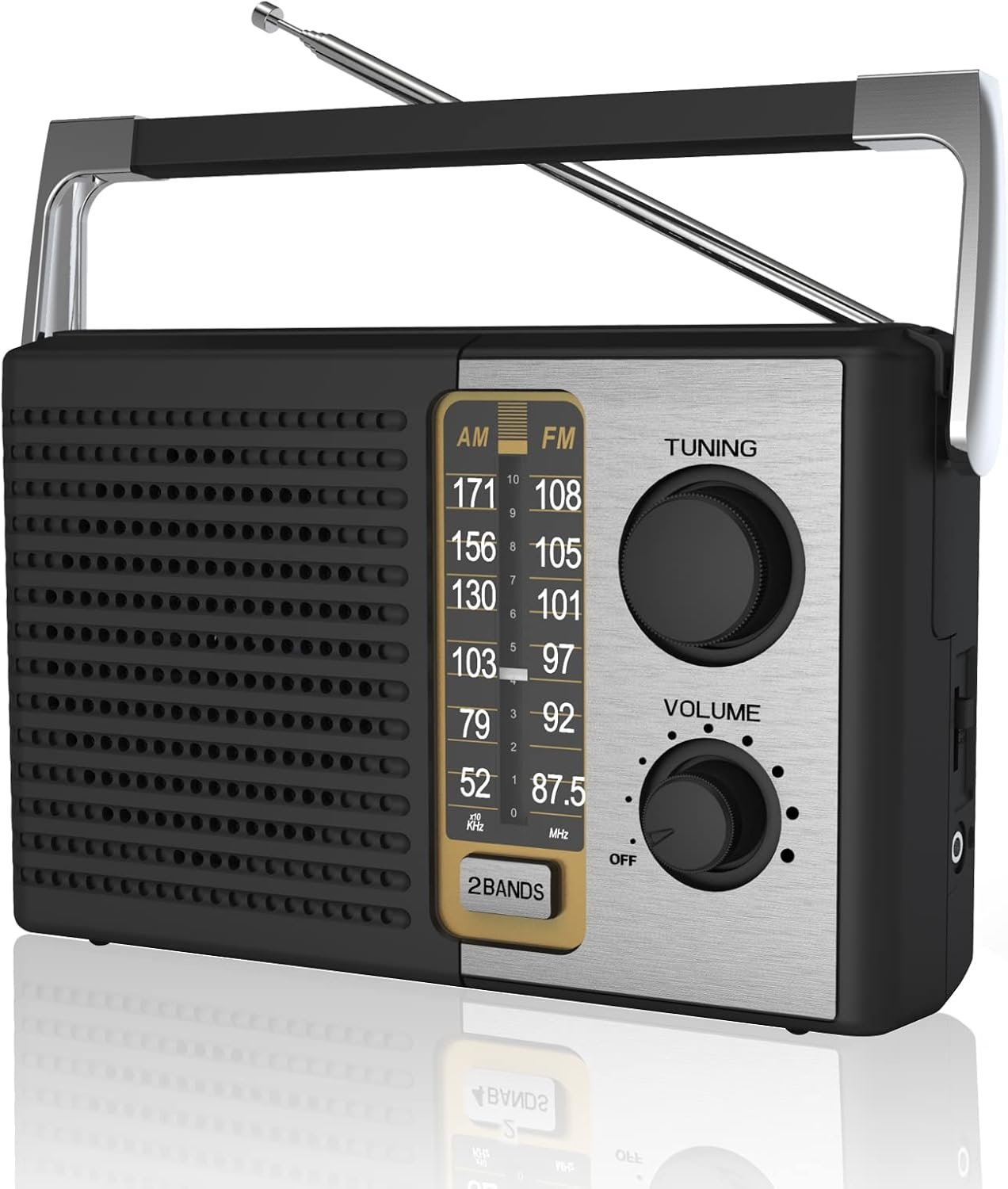
The Future of Radio in the Digital Age
In a world dominated by smartphones, streaming platforms, and on-demand content, many people have asked: Does radio still have a future? The answer is a strong yes — but it’s evolving fast. Radio is no longer limited to FM/AM frequencies; it’s now stepping into the digital age with innovation and resilience.
From Traditional to Digital
Traditional radio has long been a trusted source for music, news, and entertainment. However, with the rise of internet-based platforms like podcasts, Spotify, and YouTube, listener habits have changed. People now want content that’s personalized, available anytime, and easily accessible on mobile devices.
To keep up, radio stations are adapting. Most now offer online streaming, mobile apps, and even video broadcasts through platforms like Facebook Live and YouTube. This shift is not killing radio — it’s helping it reach more people than ever before.
Radio Apps & Live Streaming
Radio stations are launching their own apps or streaming on global platforms like TuneIn, iHeartRadio, and Radio Garden. These apps allow listeners to tune in from anywhere in the world — whether they’re on a bus, in another country, or at work.
Live streaming on social media is also becoming popular, allowing real-time audience interaction through comments, polls, and shout-outs. It makes the radio experience more dynamic and community-focused.
Podcasts: A New Avenue
Many radio presenters and stations are now creating podcasts — pre-recorded shows that listeners can enjoy at their own pace. This gives radio content a longer life and lets stations explore niche topics in more depth. In fact, the line between radio shows and podcasts is now very thin.
Opportunities for Creators and Listeners
The digital age has made it easier for independent creators to start their own online radio channels or podcasts. This means more voices, more diversity, and more creative content for audiences.
For listeners, this means freedom. They can listen live, re-listen later, or switch between stations across the globe — all with a few taps.
Conclusion: Evolving, Not Ending
Radio is not dying — it’s transforming. The digital age has expanded its reach, opened new platforms, and connected it with global audiences. Whether through FM, mobile apps, or live streams, radio continues to be a powerful tool for communication, culture, and connection.
The future of radio isn’t just sound — it’s digital, interactive, and global.